October 19, 2026
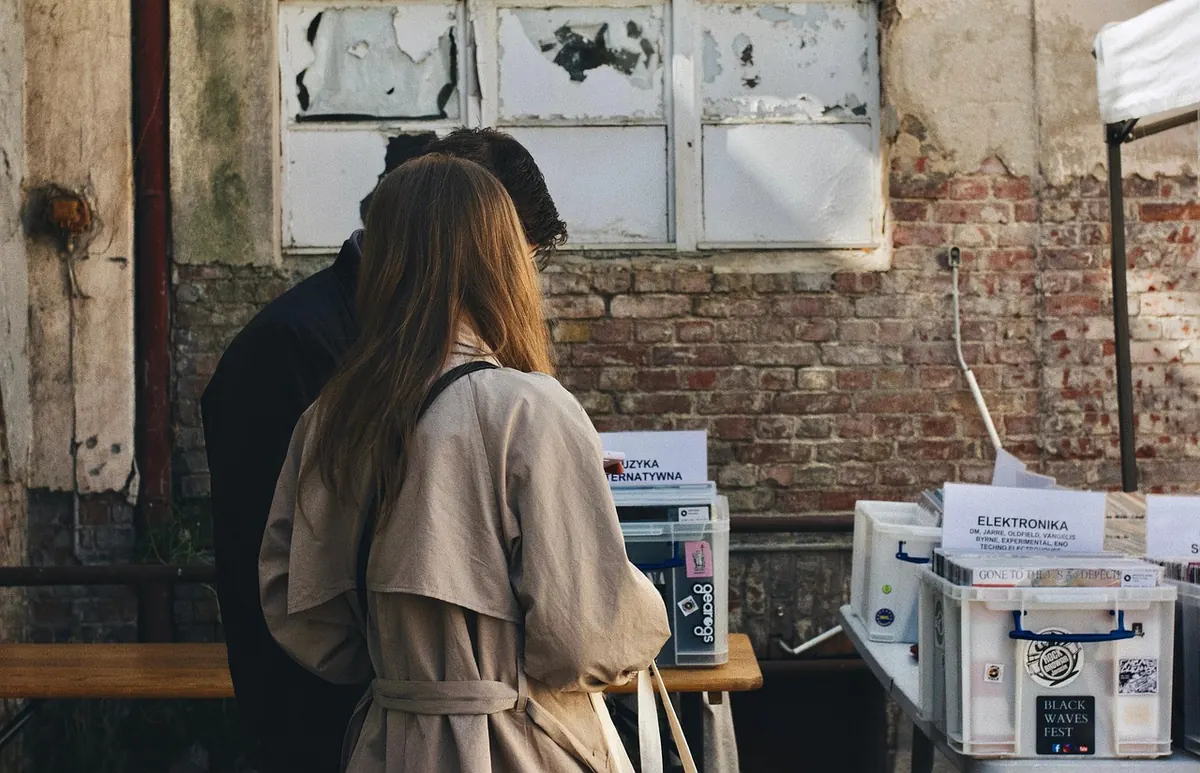
The market season in the vicolo has a way of arriving before the official posters do. One week the lane is quiet; the next, there are trestle tables outside the bakery, crates of peaches in the shade, and someone tuning a guitar near the arch. Before you clear a morning, though, a little checking saves a lot of wasted walking. Market days shift, weather turns, and the difference between a pleasant browse and a frustrating outing often comes down to details you can confirm in five minutes.
Start with the Calendar, Not the Crowd
Seasonal markets are rarely as fixed as they look. A market that runs every Saturday through summer may switch to once a month in September, skip a week for a local festival, or move to a rain date announced only on the neighborhood board. Check the current schedule rather than the one you remember from last year. If you are traveling across town, confirm the date twice: once on the organizer’s latest notice and once with a vendor or nearby shop that stays open through the season.
Look for the small print. The useful details are often tucked under the main poster: opening time, closing time, whether the market is outdoors or under cover, and whether dogs are allowed. A market listed as “from 9 a.m.” may be fully set up only by 10, while one that closes at 2 p.m. may start packing away stall by stall from 1:30. None of that is a reason to skip it; it is a reason to plan your arrival with a margin.
If you are meeting friends, agree on a specific meeting point inside the market—near the entrance arch, by the fountain, or at the coffee stand—rather than “the middle.” Crowded lanes make vague plans unreliable. And if the market is a one-off event, check whether it has a backup date. Organizers usually prefer to announce a postponement clearly, but that information may live on a printed flyer or a community noticeboard rather than online.
Read the Weather Like a Local
The forecast matters, but so does the shape of the vicolo. Narrow lanes can be shaded and cool in the morning, then stuffy by midday. A light jacket is easier to carry than a heavy one you regret. If rain is likely, check whether stalls sit under awnings or whether the whole market moves indoors. Bring an umbrella only if you can manage it while browsing; a small folded one is usually more practical than a large one in a crowded lane.
Wind is worth a thought, too. Loose hats, paper bags, and lightweight flyers do not mix well with a gusty corner. On hot days, go earlier, carry water, and use the shaded side of the street where you can. On cold days, fingerless gloves may sound fussy until you are handling produce and coins in a damp breeze. Dress for standing and walking, not for a quick dash from a car.
Opening Hours and the Rhythm of the Day
Opening hours tell you when the market is officially open. They do not always tell you when it is at its best. Early in the morning, vendors are still arranging displays and the selection may be incomplete. Mid-morning often brings the fullest stalls and the busiest lanes. Late afternoon can be quieter, but some vendors may already be low on stock or packing up. If you are going for a specific item—a particular bread, a cut of meat, a plant—ask the vendor when it is usually available, or arrive closer to the start than to the end.
Check the closing time carefully, especially if you are making a day of it. A market that ends at 4 p.m. may have its last food orders at 3:30. A craft stall may close earlier if the maker has a long journey home. Also look for a lunch lull: many markets slow down around midday, which is pleasant for browsing but less useful if you want to talk to every vendor. If you need a quiet visit, aim for the first hour or the final one, depending on whether you care more about choice or calm.
Accessibility Before You Promise Anyone a Day Out
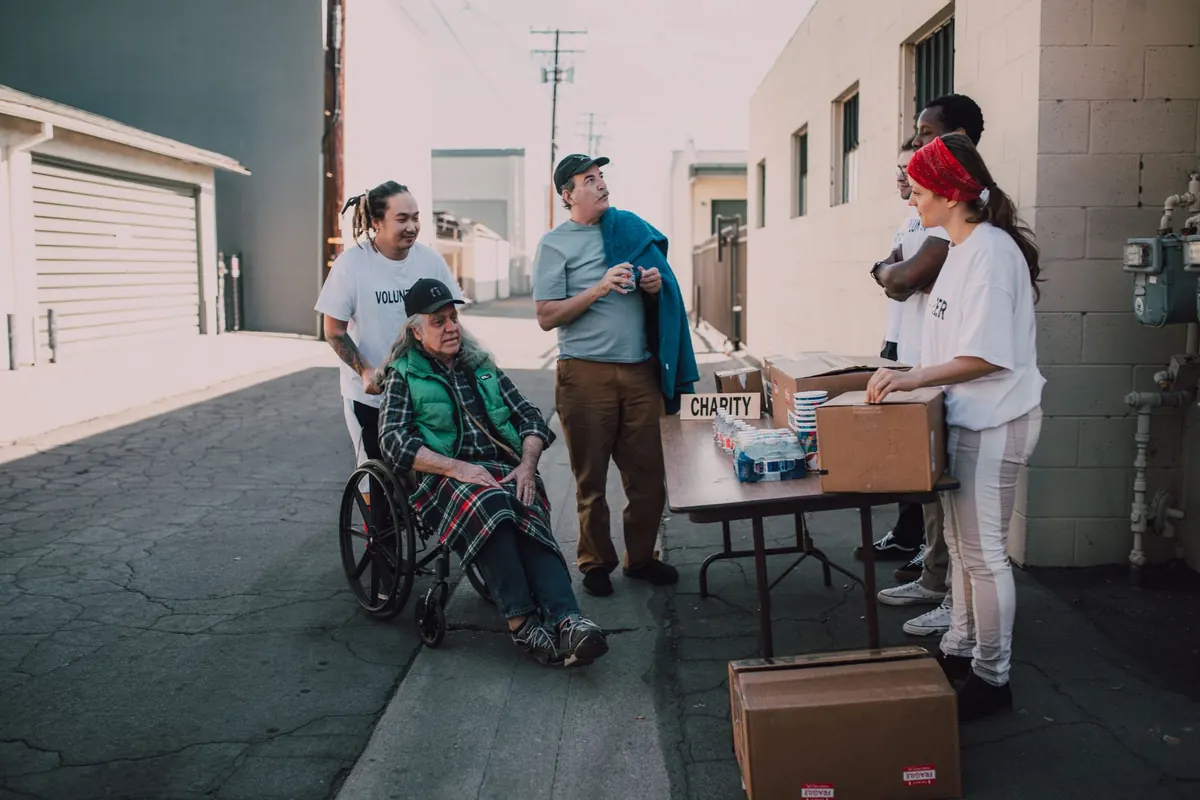
Old lanes and temporary stalls do not always make an easy combination. Before inviting a friend with a mobility aid, a stroller, or a family member who tires quickly, check the ground and the route. Cobblestones, uneven paving, and narrow gaps between tables can turn a short walk into an obstacle course. Look for an accessible entrance, a step-free route, and somewhere to sit. If the market’s own notice does not say, ask the organizer or a nearby business. A quick question is better than an uncomfortable surprise.
A useful accessibility check:
- Is the main route step-free, and are there dropped curbs nearby?
- Are stalls spaced widely enough for a wheelchair or stroller to pass?
- Are there benches, cafe seating, or a quiet corner to rest?
- Are toilets available nearby, and are they accessible?
- Is the market noisy, smoky, or crowded at peak times?
If you are sensitive to crowds or noise, go early, avoid the middle of the day, and plan a short loop rather than trying to cover every stall. Markets are social places, but they do not have to be all-day commitments.
Vendor Variety: What You’ll Actually Find
Seasonal markets vary more than their posters suggest. One week may be mostly produce and prepared food; the next may add crafts, second-hand books, plants, or a local group raising money for a community project. Check the vendor list if one is published, but treat it as a guide rather than a guarantee. Smaller markets often have rotating stalls, and a vendor who is there in June may be absent in July.
Think about what you want from the visit. If you are shopping for dinner, look for produce, bread, cheese, or prepared food that travels well. If you are browsing, leave room for a conversation with a maker or grower; that is often the best part. Ask about ingredients, origin, and storage if you are unsure. For food that needs refrigeration, bring a cool bag or plan to go home soon after buying. If you hope to pay by card, check with vendors before you rely on it; some small stalls may prefer cash, and signal can be patchy in a narrow lane. Carry a little cash as backup, but do not assume you need it everywhere.
What to Bring (and What to Leave at Home)
A small, sensible kit makes a market morning easier:
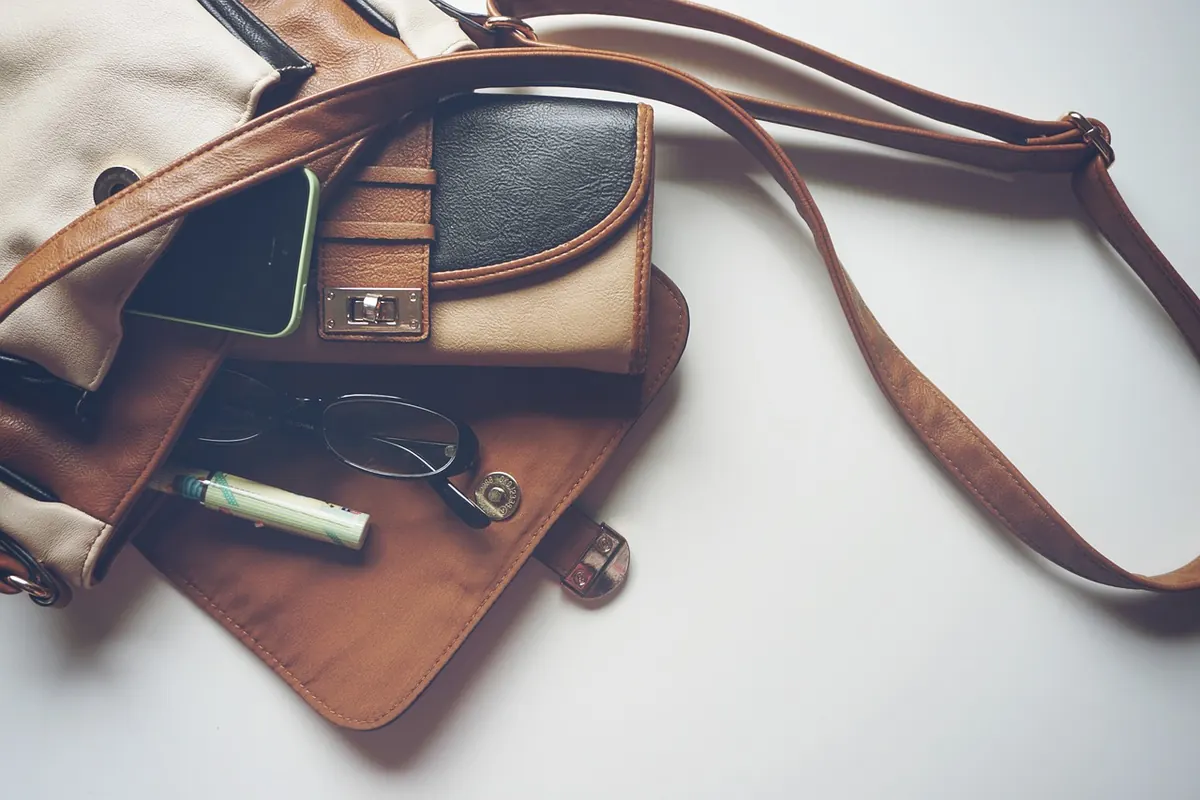
- A reusable bag or two, plus a foldable bag for unexpected finds.
- A water bottle, especially in warm weather.
- Cash in small notes or coins as backup, if you have it.
- A light layer for shade or a sudden breeze.
- A small umbrella if rain is possible and you can carry it comfortably.
- Any medication or support you might need for a longer walk.
- A cool bag if you are buying food that should stay cold.
Leave behind what you will not want to carry: heavy shopping bags, a large umbrella in a tight lane, or a stroller that is difficult to maneuver over cobblestones if a carrier would work better. If you bring a dog, check the market’s rules first and keep the lead short around food stalls. And wear shoes you can walk in on uneven ground; this is not the place for new sandals that rub.
A Simple Pre-Departure Check
Before you leave, run through five quick questions: Is the market on today, and are the hours current? What is the weather doing, and is there cover? How will you get there, and where will you meet if you are going with others? Is the route manageable for everyone in your group? What do you need to carry, and what can stay at home? A minute on the noticeboard or a quick call to a nearby shop can save an hour of disappointment. Then go with a little patience, a little cash, and room in your bag. The vicolo does the rest.
Photo: 24457758 / Pixabay